
I thought I’d have time to read on the job, ha!
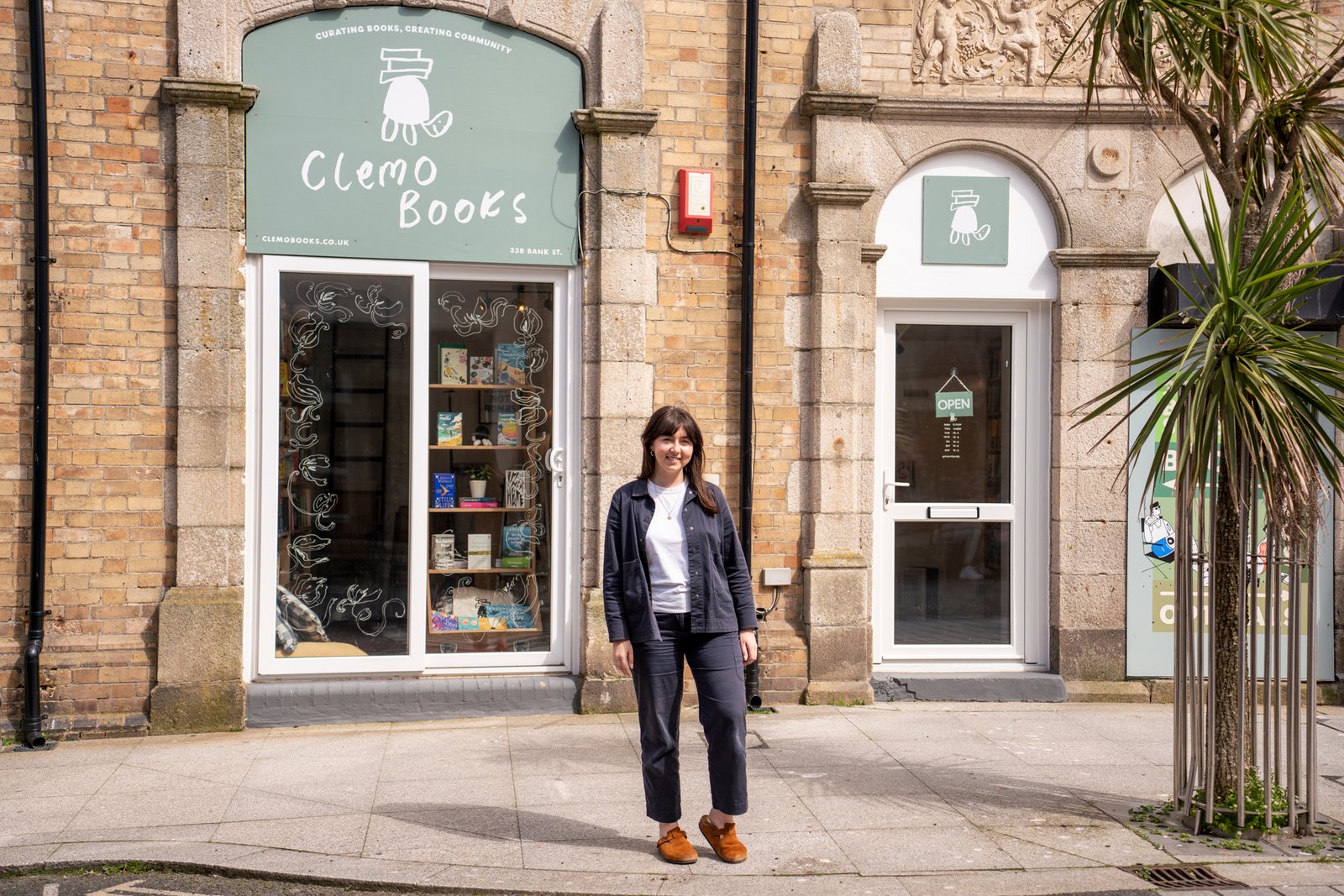
Clemo Books is approaching two-and-a-half-years-old. This toddler of a bookshop has been my life for a while now (I set up as a pop-up bookshop back in October 2021) and throughout these years I’ve read lots of books – but I didn’t expect owning a bookshop would change the way I read and access books as much as it has.
Before being a bookseller and bookshop owner, I would browse indie shelves, make a note of books I saw online or download books onto my e-reader and think nothing of it.
Now though there is a priority list, a hierarchy of hardbacks and an order of books I have to/want to read. This order depends on our book club pick, in-house events I might be chairing, events we might be bookselling at, publisher proofs and big releases I want to read so I can be a part of the buzz (currently feeling very left out on the Yesteryear/Famesick front…)
Proofs are tantalising and exciting – free books that I can request and might get sent if I’m lucky enough. To be read in advance of the book’s release, proofs help booksellers decide when ordering books, which ones to champion, and which ones are not to their taste. Now I often find myself thinking ‘well if I can’t get it as a proof I won’t read it’ which is an insane thing to think – but it’s true. Also, if I missed the deadline of reading the proof by its publishing release date all urgency is gone and it sits on my bookshelves at home looking forlorn.
Damaged books arrive and, of course, we can’t sell those to Clemo’s customers. Sometimes publishers ask you to send them back but often they ask you to dispose of them. Occasionally, one of these damaged books will be a book I’ve been hankering to read so I’ll skip home with a new, slightly battered, book in my bag. As you can imagine bookshops don’t bring in a ton of cash so free books are exciting.
The most urgently read book of each month is the Clemo Club pick. We meet up at the beginning of the month and then have four weeks to read it before reconvening to discuss it. Sometimes I’ll start the book right away, other times I’ll leave it until the last week – the former is great because I have plenty of time to read it but I might forget my feelings on it by the time book club rolls around again, while the latter is honestly quite stressful and I arrive at book club having just speed-read the last chapter flustered and with no time to form an opinion on the book club pick. We then repeat the process again.
Events are always fun and sometimes I chair them if I’m feeling bold. This completely changes the way one reads a book though. Spotting passages, points to question and themes to be raised in a question you’ll ask the author in-front of an audience is always on my mind whilst reading. I don’t know if it’s as enjoyable so to combat this instead of annotating, I fold up the bottom left page corner when I know there’s a question on that page to revisit. Event books I always leave too late because I want it to be fresh in my mind – again another stressor added.
The biggest thing I’m learning to overcome is not comparing the amount I read to people I see online or Clemo’s well-read customers. Often, they have more time to read or have been alive longer and so have had a lot more time to spend reading. Classics are where I feel the imposter syndrome particularly set in. But that’s okay because the classics I feel guilty for not reading right now will be there waiting for me one day when I find the time.
Writing this feels silly and sometimes I think ‘oh Jaimie, you’ve turned your most relaxing hobby into something not so relaxing’ but it’s books and they’re all lovely and I’m very lucky. Now, what to read next?!